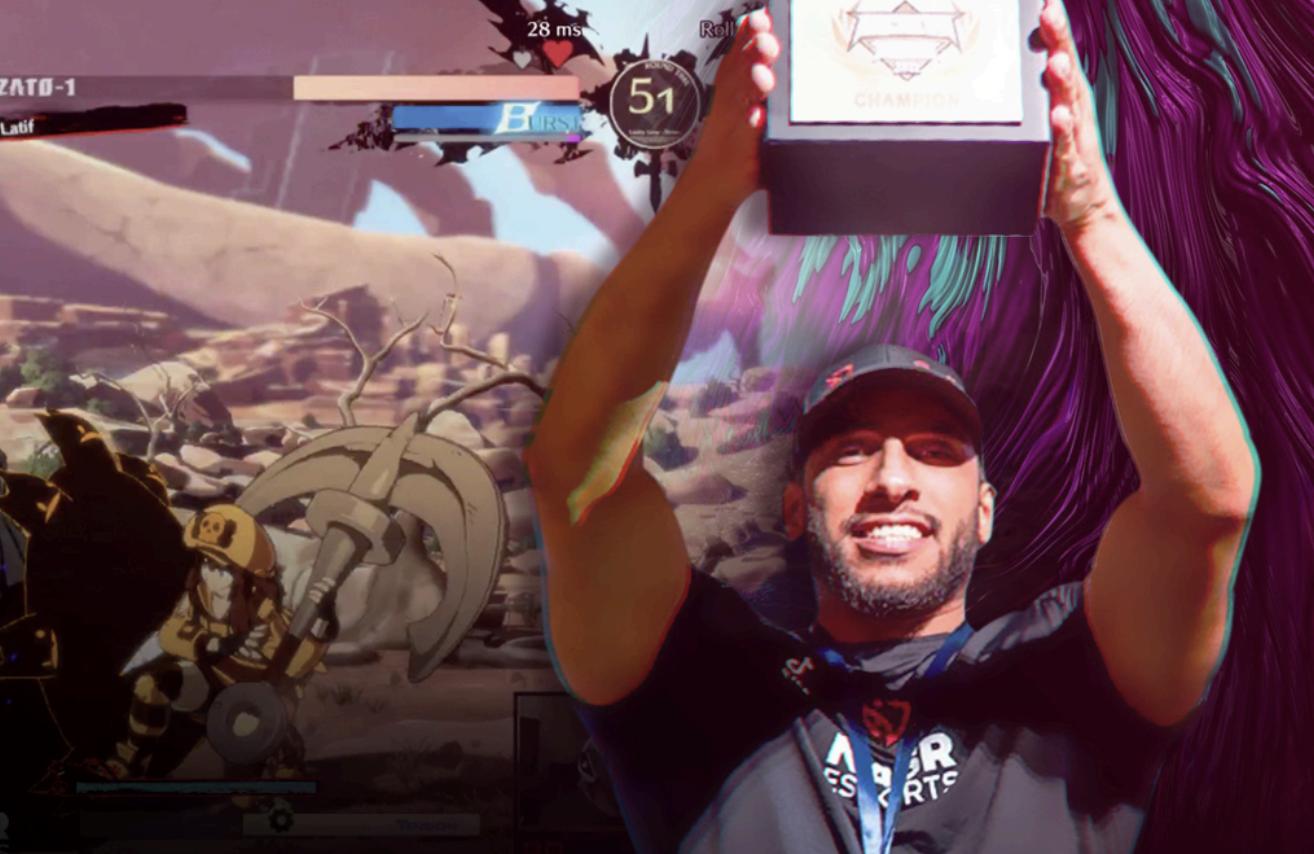
Influencing the Gaming World: Latif
A cultural bridge-builder discusses his work within NeoWorlder's AI ecosystem and the challenges of creating truly inclusive gaming platforms.
Article · June 2026
Overview
Latif, working from Dubai during gaming's expansion across the Middle East and North Africa, became a cultural translator within NeoWorlder's community. His work organizing culturally-aware tournaments and advocating for diverse perspectives in AI development offers insights into building truly global gaming platforms that accommodate rather than flatten cultural differences.
Latif's home office in Dubai faces west, and in the late afternoon the call to prayer drifts through the window while he talks. He does not pause for it or acknowledge it directly. It is simply part of the room, part of the context in which he thinks about games and culture and what it means to build something that belongs to everyone.
His years inside NeoWorlder coincided with a significant period of growth for gaming across the Middle East and North Africa. The region was becoming a serious market, and with that growth came tension. Gaming's expansion brought global culture into contact with local values, and those meetings were not always comfortable.
"You have to understand," Latif says, choosing his words with care. "Gaming here isn't just entertainment. It's cultural negotiation. Every interaction carries weight beyond the game itself."
NeoWorlder's persona systems offered him something useful. The platform's flexibility allowed him to explore different aspects of identity without abandoning his cultural foundation, to participate in global gaming culture while staying connected to where he came from. That experience shaped how he thought about his role within the community.
His influence came through cultural translation. He helped international players understand perspectives they had never encountered, and showed regional players that global communities could accommodate diverse viewpoints. Neither side started with much understanding of the other. Both needed something closer to education than confrontation.
His most significant project was organising NeoWorlder's first major tournament designed to showcase regional gaming talent while genuinely accommodating cultural considerations around competition and community. The format innovations he introduced, including team-based structures that emphasised collaborative achievement over individual dominance, were adopted in the platform's later competitive events globally. He had found something that worked across cultural boundaries without requiring anyone to pretend those boundaries did not exist.
AI and Cultural Assumptions
Working inside NeoWorlder's AI ecosystem taught him something that has stayed with him. The systems he encountered had been built from certain assumptions, and those assumptions were not universal. The biases were not malicious. They were invisible to the people who had built them, which made them harder to address.
"AI reflects the worldview of its creators," he says. "If you want truly global platforms, you need global perspectives built into the foundation, not added as an afterthought."
He consults now with gaming companies seeking authentic entry into Middle Eastern and North African markets. The principles he developed through NeoWorlder, cultural respect, structural accommodation, and genuine partnership, are his framework. He is patient with companies that arrive thinking inclusion is a feature to be added. He has seen what it looks like when it is built in from the beginning.
"Technology should amplify human potential," he says. "Not flatten human difference. The best AI will be the kind that makes space for who we really are."